Optimizing User Journeys: Connecting Homepage Discovery to High-Value Workflows
A comprehensive guide on structuring website architecture and user pathways, ensuring seamless transitions from initial homepage exploration to functional use cases. The Evolution of Digital Navigation and User Onboarding Modern web applications and digital platforms rarely serve a single, uniform audience. When visitors land on a homepage, they bring diverse expectations, skill levels, and operational …
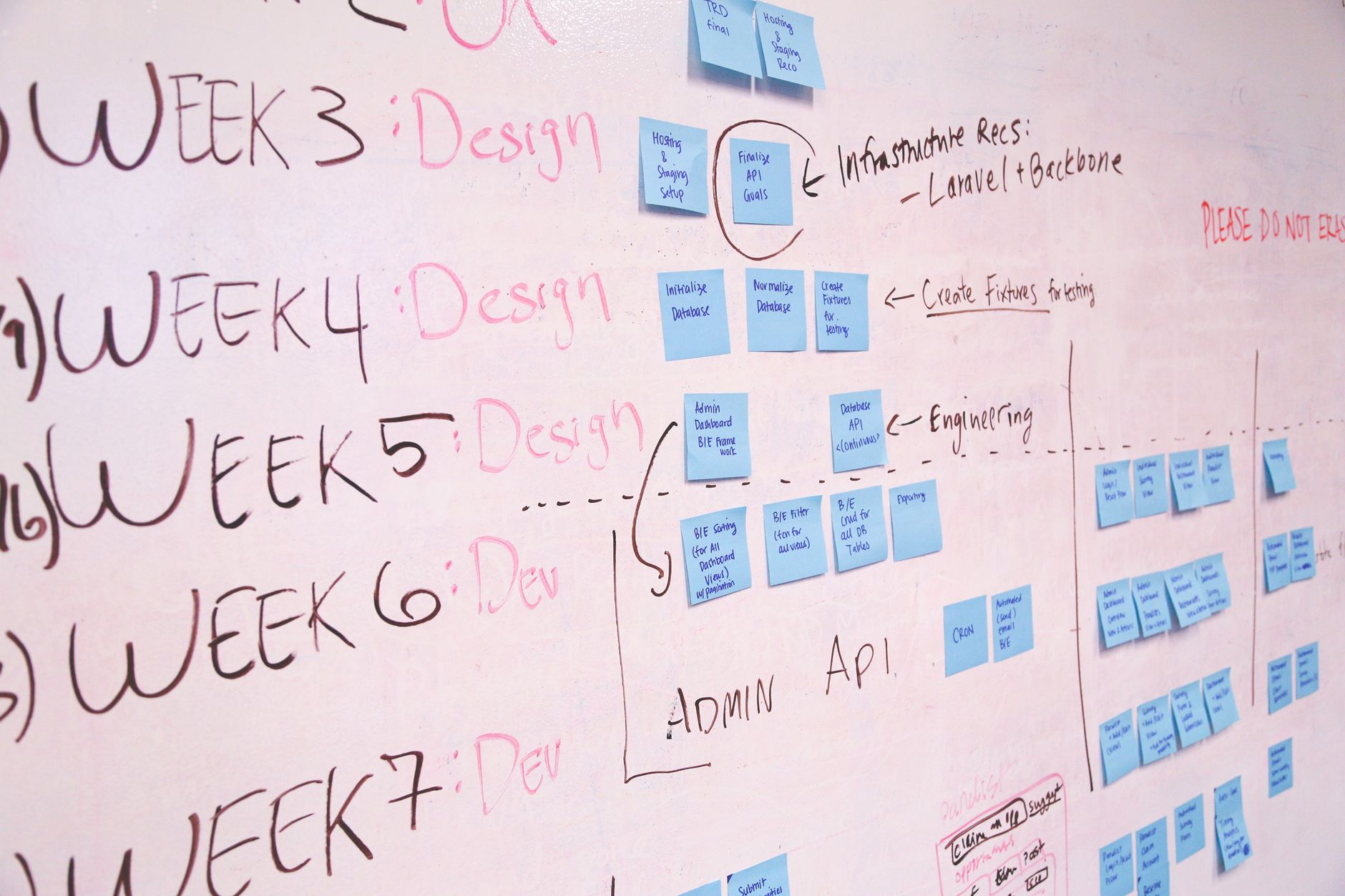
A comprehensive guide on structuring website architecture and user pathways, ensuring seamless transitions from initial homepage exploration to functional use cases.
The Evolution of Digital Navigation and User Onboarding
Modern web applications and digital platforms rarely serve a single, uniform audience. When visitors land on a homepage, they bring diverse expectations, skill levels, and operational requirements. Creating an effective digital platform requires more than just clean aesthetics; it requires an intentional information architecture that guides users from broad conceptual awareness down into tangible, targeted workflows.,Traditionally, websites functioned as static brochures where navigation was linear and passive. Today, dynamic digital ecosystems require intuitive routing. The initial touchpoint must rapidly introduce value and provide frictionless on-ramps to specific functional use cases, ensuring users solve their problems without unnecessary cognitive friction.
Establishing a High-Converting Homepage Baseline
The homepage serves as the central anchor of any digital platform. Its primary function is context setting—clarifying what the platform does, who it serves, and which problem it solves within the first few seconds of interaction.,To accomplish this, high-performing homepages rely on clear visual hierarchy, scannable value propositions, and unambiguous calls to action. Instead of overwhelming visitors with granular feature catalogs, modern homepages prioritize segmented entry points. By categorizing capabilities into identifiable usage scenarios, visitors can immediately recognize their own operational profile and select the relevant path forward.
Structuring Tiered Use Cases for Diverse Audiences
Once a visitor moves past the homepage, they need specialized pathways tailored to their unique objectives. Segmenting capabilities into distinct practical applications—such as dedicated workflows for individual practitioners versus collaborative workflows for enterprise teams—prevents feature fatigue and improves user retention.,The first core implementation tier generally targets fast execution and straightforward problem-solving. This pathway highlights low-friction tools, direct self-service onboarding, and immediate validation of results, making it ideal for users seeking quick wins.,In contrast, secondary or advanced implementation paths cater to complex, integrated scenarios. These workflows typically detail automation, cross-functional collaboration, data synchronization, and enterprise governance. Separating these scenarios into focused destinations prevents novice users from feeling overwhelmed while still addressing the technical depth demanded by experienced practitioners.
Best Practices for Seamless Architectural Transition
Moving visitors between high-level overviews and granular application screens requires careful attention to interaction design. Breadcrumbs, persistent contextual menus, and persistent search utilities ensure visitors never feel disoriented when moving deeper into application layers.,Furthermore, contextual cross-linking between parallel use cases allows users to discover complementary functionalities naturally. Rather than trapping users in isolated functional silos, an interconnected platform architecture encourages ongoing exploration and maximizes the long-term utility of the digital asset.
Conclusion
Structuring a digital presence around deliberate, modular pathways transforms an ordinary website into an intuitive problem-solving engine.,By maintaining a clear, focused homepage and connecting it seamlessly to segmented operational workflows, teams can dramatically improve engagement, simplify onboarding, and deliver measurable value to every visitor.
Image Credit:
Startup Stock Photos

Optimizing Modern Web Applications: From Homepage Discovery to Core Usage Workflows
Read
Modern Software Integration: Architectural Patterns and Best Practices
Read
Optimizing Modern Web Applications: Balancing Homepage Experience with Deep Functional Workflows
ReadPut ideas to work.
If this sparked something, the next step is a short conversation.