Mastering Software Workflows: From Initial Discovery to Advanced Execution
A comprehensive guide detailing how modern digital platforms guide users from homepage discovery into primary and secondary implementation pathways. The Evolution of Digital Workflows Navigating modern digital tools often begins with an initial landing interface, yet the true value of any software system lies in how effectively it guides users toward meaningful execution. When users …
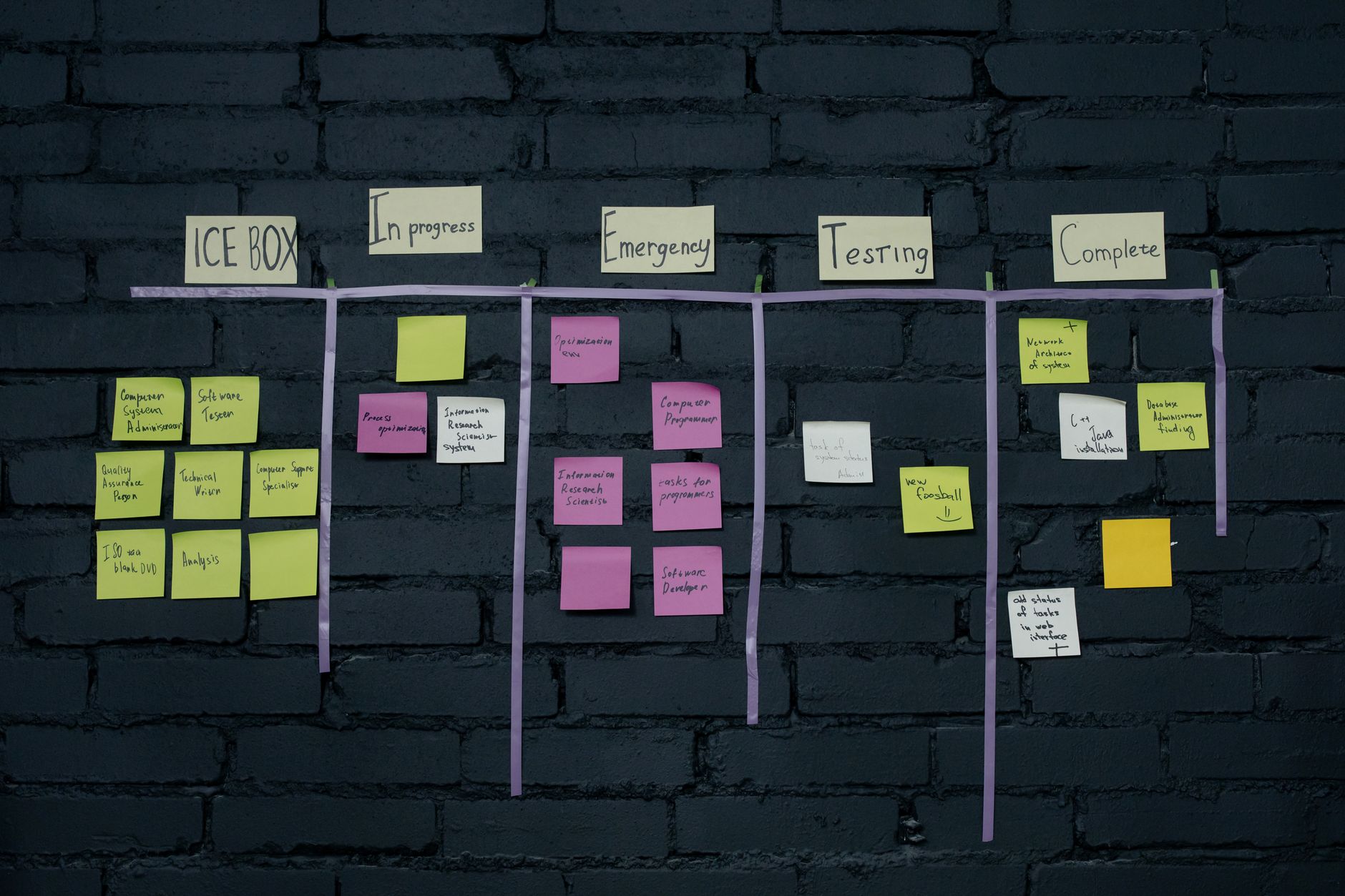
A comprehensive guide detailing how modern digital platforms guide users from homepage discovery into primary and secondary implementation pathways.
The Evolution of Digital Workflows
Navigating modern digital tools often begins with an initial landing interface, yet the true value of any software system lies in how effectively it guides users toward meaningful execution. When users first arrive at a platform, they encounter high-level concepts and foundational capabilities. Transforming that initial touchpoint into daily productivity requires a structured understanding of primary workflows and supplementary features.,Digital platforms generally organize their capabilities into tiered operational tracks. By establishing a clear transition from surface-level exploration to dedicated operational tasks, organizations and developers can eliminate friction, accelerate adoption, and maximize software return on investment.
Phase 1: Establishing the Foundation and Core Configuration
Every successful implementation begins with baseline configuration. In this preliminary phase, practitioners familiarize themselves with standard environments, credential setup, and fundamental application states. Setting up robust baseline defaults ensures that subsequent complex operations remain stable and predictable.,For example, when integrating a newly adopted development platform, teams typically verify environment variables, authenticate API keys, and test an initial operational ping. Ensuring these basic building blocks are rock-solid prevents cascading errors when scaling up to higher-volume operations.
Phase 2: Driving Everyday Operations with Primary Use Cases
Once initial connectivity is established, teams transition toward primary usage patterns. This operational tier represents the regular, day-to-day functions for which the platform was chosen, such as automated data processing, scheduled pipelines, or team collaboration pipelines.,Maximizing this phase involves creating streamlined routines. Rather than reinventing the wheel with ad-hoc steps, users should leverage automated triggers, centralized dashboard monitoring, and standardized templates. Consistent execution in this core stage establishes operational velocity and delivers immediate, measurable gains.
Phase 3: Scaling Impact with Advanced and Secondary Workflows
Beyond foundational tasks, high-performing systems offer secondary capabilities designed for specialized scenarios, edge cases, and cross-system integrations. These advanced workflows might include automated error recovery, real-time analytics aggregation, or dynamic resource allocation.,Unlocking secondary use cases transforms a standard tool into an enterprise-grade engine. By chaining distinct modules together, developers and operational teams can orchestrate sophisticated pipelines that handle unexpected anomalies without manual intervention.
Best Practices for Sustained Efficiency and Continuous Improvement
Sustaining high operational quality requires continuous evaluation. Reviewing audit logs, monitoring usage metrics, and updating workflow dependencies on a regular cadence ensures that setups do not degrade over time.,Additionally, thorough documentation of custom configurations empowers team members to troubleshoot issues collaboratively. When processes are documented clearly and updated alongside software iterations, teams retain technical agility and minimize operational bottlenecks.
Conclusion
Transitioning from platform discovery to sustained execution requires deliberate workflow design and continuous optimization.,By securing the foundation, standardizing core daily procedures, and expanding into advanced workflows, teams can harness the full power of their software ecosystem.
Image Credit:
cottonbro studio

Optimizing Modern Web Applications: From Homepage Discovery to Core Usage Workflows
Read
Modern Software Integration: Architectural Patterns and Best Practices
Read
Optimizing Modern Web Applications: Balancing Homepage Experience with Deep Functional Workflows
ReadPut ideas to work.
If this sparked something, the next step is a short conversation.