Mastering Digital Product Workflows: From Homepage Entry to Core Usage
A comprehensive guide on structuring user onboarding, primary operational workflows, and secondary utility paths from the homepage for maximum engagement and retention. The Strategic Role of the Modern Homepage A homepage serves as both the digital front door and the central traffic controller for any modern web platform. Rather than merely presenting static brand statements, …
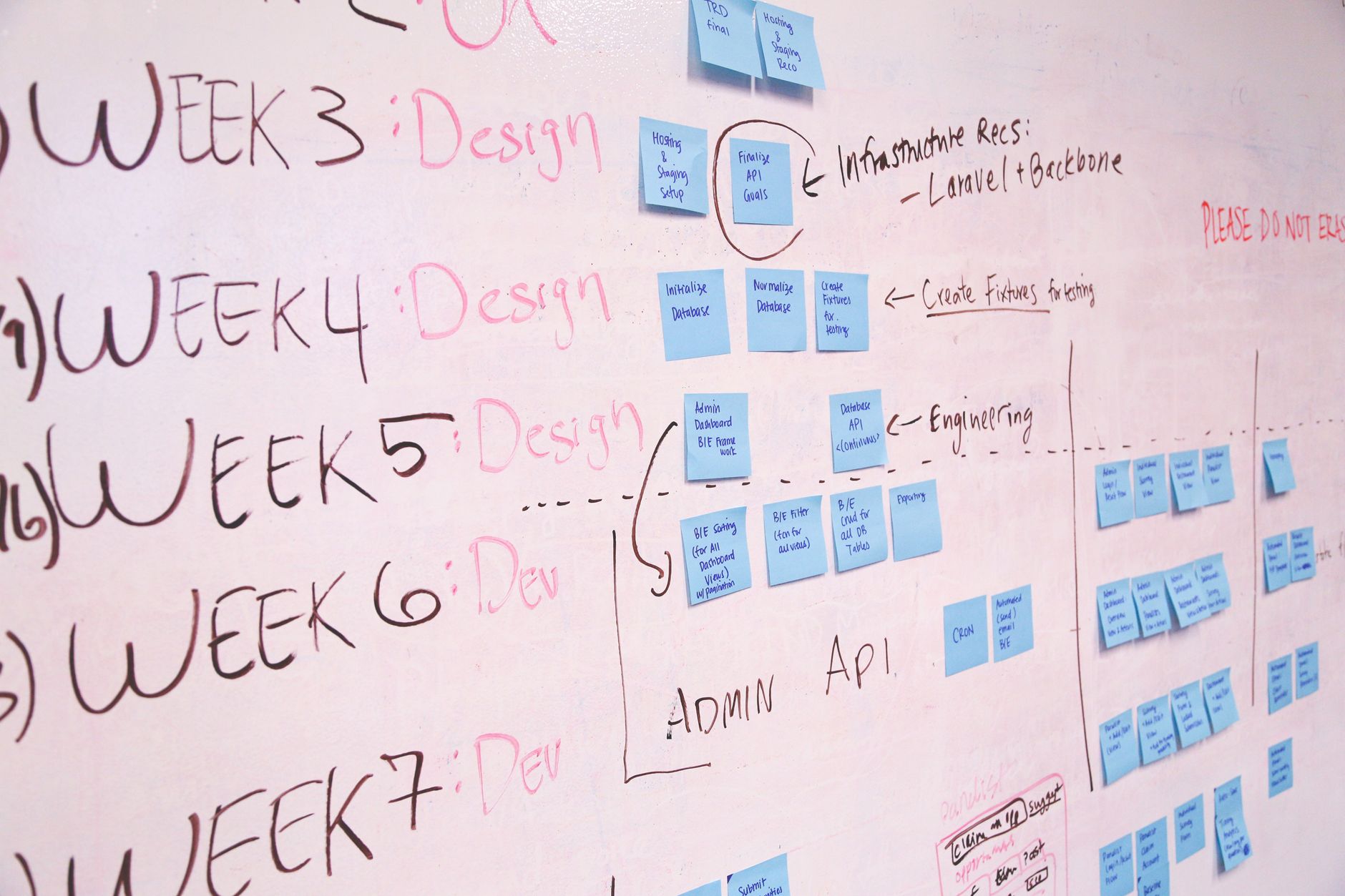
A comprehensive guide on structuring user onboarding, primary operational workflows, and secondary utility paths from the homepage for maximum engagement and retention.
The Strategic Role of the Modern Homepage
A homepage serves as both the digital front door and the central traffic controller for any modern web platform. Rather than merely presenting static brand statements, an effective homepage quickly establishes context, reduces cognitive load, and directs visitors toward their intended operational paths.,When users land on a product’s primary domain, they generally fall into two categories: exploratory visitors looking to understand value propositions, and returning users aiming to execute tasks. Balancing these distinct needs requires clear visual hierarchies, intuitive navigation frameworks, and unambiguous calls to action that transition visitors into functional usage.
Architecting Primary Usage Pathways
Primary usage flows represent the core value proposition of an application—the fundamental actions that solve the user’s primary problem. Whether an application facilitates collaborative document editing, data analysis, or transaction processing, this primary path must remain frictionless and immediately accessible.,To optimize this essential workflow, minimize preliminary configuration steps and guide users through progressive disclosure. Providing inline contextual guidance, sensible default settings, and instant visual feedback ensures that users reach their initial ‘aha’ moment with minimal resistance.
Integrating Secondary Usage and Advanced Utilities
Beyond the core functionality lies the secondary usage layer. These workflows encompass administrative controls, custom configuration options, batch operations, and analytical reporting. While vital for power users and long-term utility, secondary functions should never clutter the primary interface.,Effective design patterns tuck these complementary workflows into modular sidebars, secondary tabs, or contextual toolbars. This separation maintains interface cleanliness while ensuring that experienced users can easily access advanced capabilities without hunting through labyrinthine sub-menus.
Bridging Discovery and Execution
Seamless transitions between initial discovery on the homepage and deep application usage rely on consistent information architecture. Terminology introduced on the landing page must align directly with the labels and tools within the application dashboard.,By auditing user journeys end-to-end, product teams can identify drop-off points where expectations deviate from execution. Harmonizing navigational menus, search utilities, and quick-action shortcuts creates a cohesive journey that encourages repeat engagement and sustained product adoption.
Conclusion
Creating an exceptional digital product requires thoughtful coordination between entry-level discovery and deep application workflows.,By establishing a purposeful homepage architecture, streamlining primary tasks, and cleanly integrating secondary utilities, teams can build cohesive user experiences that drive long-term engagement.
Image Credit:
Startup Stock Photos
Optimizing Modern Web Applications: From Homepage Discovery to Core Usage Workflows
Read
Modern Software Integration: Architectural Patterns and Best Practices
Read
Optimizing Modern Web Applications: Balancing Homepage Experience with Deep Functional Workflows
ReadPut ideas to work.
If this sparked something, the next step is a short conversation.