From First Impression to Everyday Utility: Optimizing User Journeys Across Digital Products
A comprehensive guide on engineering intuitive digital experiences, transforming homepage visitors into power users through streamlined functional workflows and clear onboarding. The Evolution of Digital Product Entry Points In modern software development, a user’s initial interaction rarely exists in a vacuum. A digital platform must serve multiple audiences simultaneously, beginning with prospective users evaluating capabilities …

A comprehensive guide on engineering intuitive digital experiences, transforming homepage visitors into power users through streamlined functional workflows and clear onboarding.
The Evolution of Digital Product Entry Points
In modern software development, a user’s initial interaction rarely exists in a vacuum. A digital platform must serve multiple audiences simultaneously, beginning with prospective users evaluating capabilities on the homepage and extending to experienced operators executing intricate daily tasks. Crafting an effective product experience requires bridging the psychological gap between initial discovery and recurring, high-value utilization.,Historically, websites and applications operated as distinct silos. Marketing portals lived at the root domain, while functional web applications resided behind isolated dashboards or specialized portals. Today, successful applications blend discovery, contextual education, and immediate utility into a cohesive end-to-end framework that reduces friction and accelerates user time-to-value.
Primary Utilization: Streamlining Core Daily Workflows
The first core usage pattern centers on essential, high-frequency actions that define an application’s primary value proposition. Whether generating automated analytical reports, managing structured records, or orchestrating real-time communication, these primary routines must be designed for frictionless execution. Any unnecessary latency or interface complexity directly degrades user satisfaction.,To optimize this essential pattern, engineering and design teams should eliminate cognitive load by keeping the interface focused on critical paths. Clear visual hierarchies, keyboard shortcuts, predictable navigation patterns, and accessible primary actions ensure that users can accomplish their daily responsibilities without having to relearn tools across different sessions.
Secondary Utilization: Unlocking Advanced Capabilities and Edge Cases
Beyond fundamental routines lies secondary utilization—the specialized, deep-tier capabilities required for customization, complex data manipulation, and organizational scalability. While these workflows may not occur every day, their availability determines whether a tool can support mature operational demands over time.,Secondary usage patterns often involve advanced administrative settings, batch configuration routines, and modular integrations. Designing for these scenarios requires progressive disclosure: keeping sophisticated tooling accessible to power users without cluttering the screen real estate relied upon by casual users. Layered navigation, modal drawers, and contextual tooltips ensure advanced controls stay out of the way until they are specifically required.
Aligning Homepage Discovery with Real-World Functionality
A recurring failure mode in digital product delivery is the divergence between marketing promises on the homepage and actual software capabilities. When a landing page sets expectations that the functional interface fails to deliver, user retention drops precipitously during early evaluation periods.,A successful homepage acts as an accurate blueprint of the platform’s practical capabilities. Rather than relying on abstract marketing jargon, effective front doors showcase realistic interface previews, interactive demonstrations, and clear explanations of underlying workflows. By anchoring early expectations to the true operational workflows found inside the product, platforms build immediate trust and cultivate long-term user engagement.
Conclusion
Modern digital tools thrive when every touchpoint—from the informational homepage to primary and advanced functional routines—is treated as part of an interconnected ecosystem.,By standardizing user journeys, employing progressive disclosure for complex tasks, and aligning introductory messaging with actual product capabilities, organizations can turn casual visitors into enduring power users.
Image Credit:
fauxels
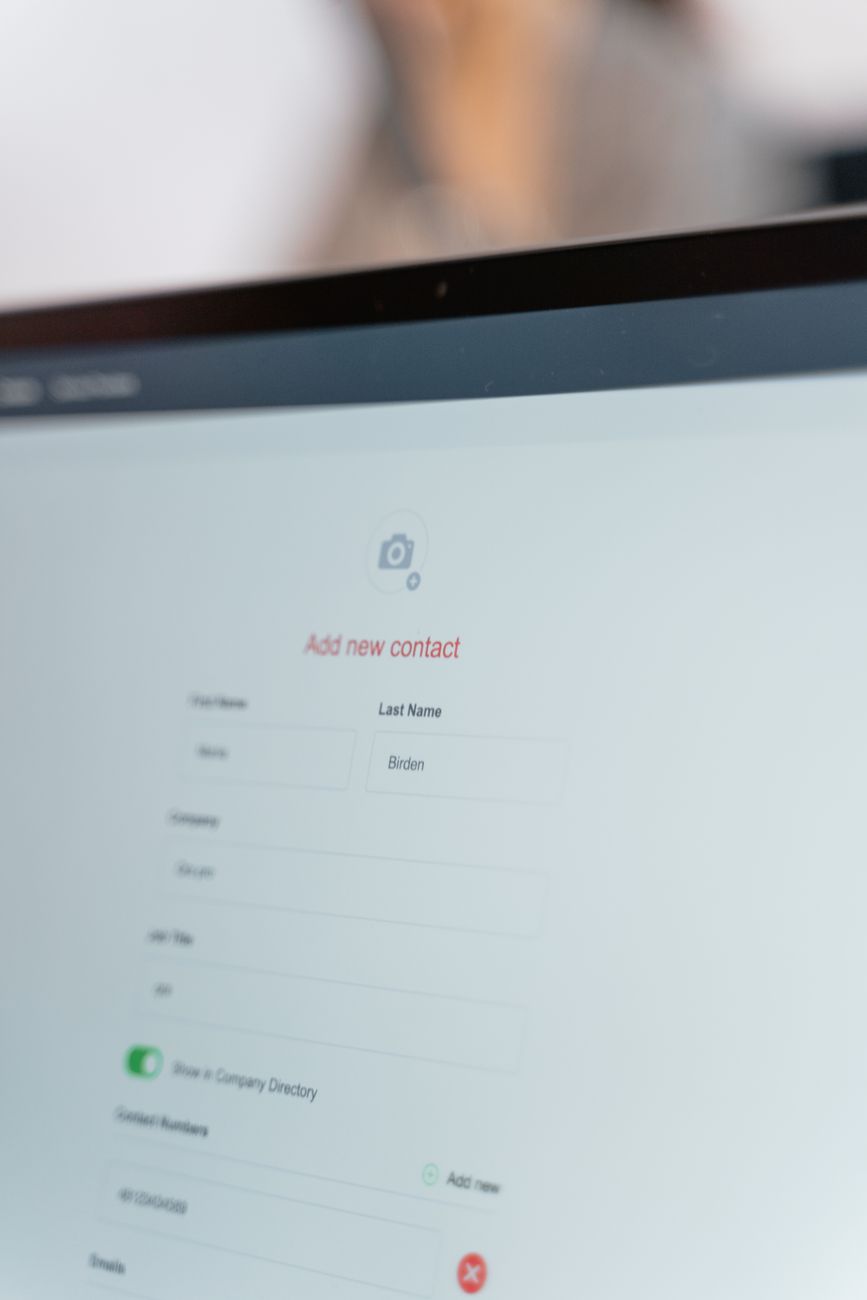
Optimizing Modern Web Applications: From Homepage Discovery to Core Usage Workflows
Read
Modern Software Integration: Architectural Patterns and Best Practices
Read
Optimizing Modern Web Applications: Balancing Homepage Experience with Deep Functional Workflows
ReadPut ideas to work.
If this sparked something, the next step is a short conversation.