Architecting Seamless User Journeys: From Homepage Discovery to Everyday Product Usage
A comprehensive guide exploring how modern digital platforms can bridge the gap between initial homepage visits and meaningful, recurring product usage. The Evolution of Digital Touchpoints: Bridging First Impressions and Deep Engagement Every successful digital experience begins with a promise and delivers on it through continuous utility. When prospective users land on your homepage, they …
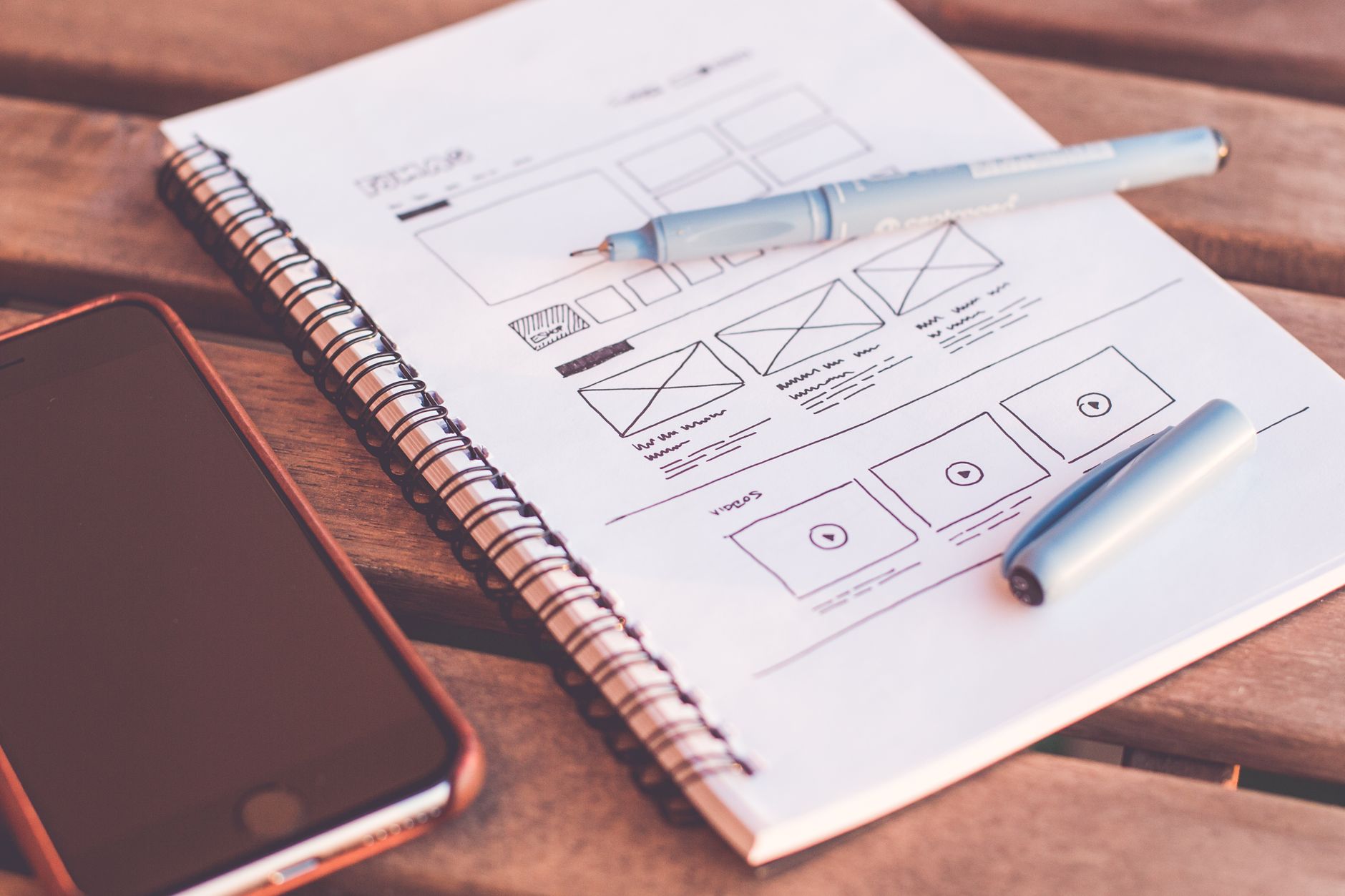
A comprehensive guide exploring how modern digital platforms can bridge the gap between initial homepage visits and meaningful, recurring product usage.
The Evolution of Digital Touchpoints: Bridging First Impressions and Deep Engagement
Every successful digital experience begins with a promise and delivers on it through continuous utility. When prospective users land on your homepage, they form split-second impressions regarding your platform’s relevance, reliability, and value. However, an engaging front door is only the first step in a complex lifecycle.,The modern digital product strategy requires an unbroken pathway connecting discovery to primary and secondary use cases. Without a deliberate bridge between an introductory overview and day-to-day functional interactions, platforms risk high bounce rates and diminished long-term retention.
Crafting a Purpose-Driven Homepage as a Strategic Launchpad
A homepage serves as both an informational anchor and an operational crossroad. Rather than treating it purely as marketing real estate, forward-thinking product teams architect the homepage as an intuitive orientation hub that directs diverse user personas to their specific goals.,Clear value propositions, streamlined navigation pathways, and contextual entry points ensure that visitors understand not only what the tool does, but also where their personal workflow begins. High-performing landing environments eliminate friction by providing immediate previews of core features and effortless access to functional workspaces.
Primary Workflows: Establishing Immediate Value Through Core Usage
Once a user transitions past the initial discovery phase, their immediate priority is completing their essential task—often referred to as the primary usage scenario. Whether compiling analytics, setting up a database, or initiating a collaborative workspace, this initial interaction defines perceived product value.,Optimizing this initial usage layer requires stripping away unnecessary administrative hurdles. By offering progressive disclosure, contextual tooltips, and sensible default settings, platforms can guide users smoothly to their first meaningful accomplishment without cognitive overload.
Secondary Workflows: Expanding Utility for Long-Term Retention
While primary usage establishes immediate product-market fit for an individual session, secondary workflows transform casual operators into habitual champions. These secondary use cases often include advanced integrations, automation routines, and administrative configurations that deepen organizational reliance.,Designing for sustained usage demands that these deeper capabilities remain discoverable without cluttering the primary interface. Modular navigation systems, contextual recommendation engines, and accessible documentation empower users to expand their capabilities naturally as their operational maturity grows.
Aligning Information Architecture Across the Entire Experience
Maintaining coherence between the promotional homepage and the operational software ecosystem is one of the most common user experience hurdles. Discrepancies in terminology, visual identity, or hierarchy between marketing pages and in-app screens induce user confusion and degrade trust.,To create a unified experience, digital architects must implement a shared design system and consistent terminology across every stage of the lifecycle. When a feature described on the homepage corresponds directly to the nomenclature and interaction model inside the platform, users navigate the ecosystem with intuitive confidence.
Conclusion
Building a cohesive digital product involves harmonizing the transition from high-level discovery to everyday functional execution. By treating the homepage as a springboard and deliberately architecting both core and advanced usage paths, organizations can create sticky, high-value experiences that satisfy users at every stage of their journey.,Sustainable digital growth is achieved not by treating acquisition and product usage as isolated disciplines, but by unifying them into a seamless, human-centered workflow.
Image Credit:
picjumbo.com
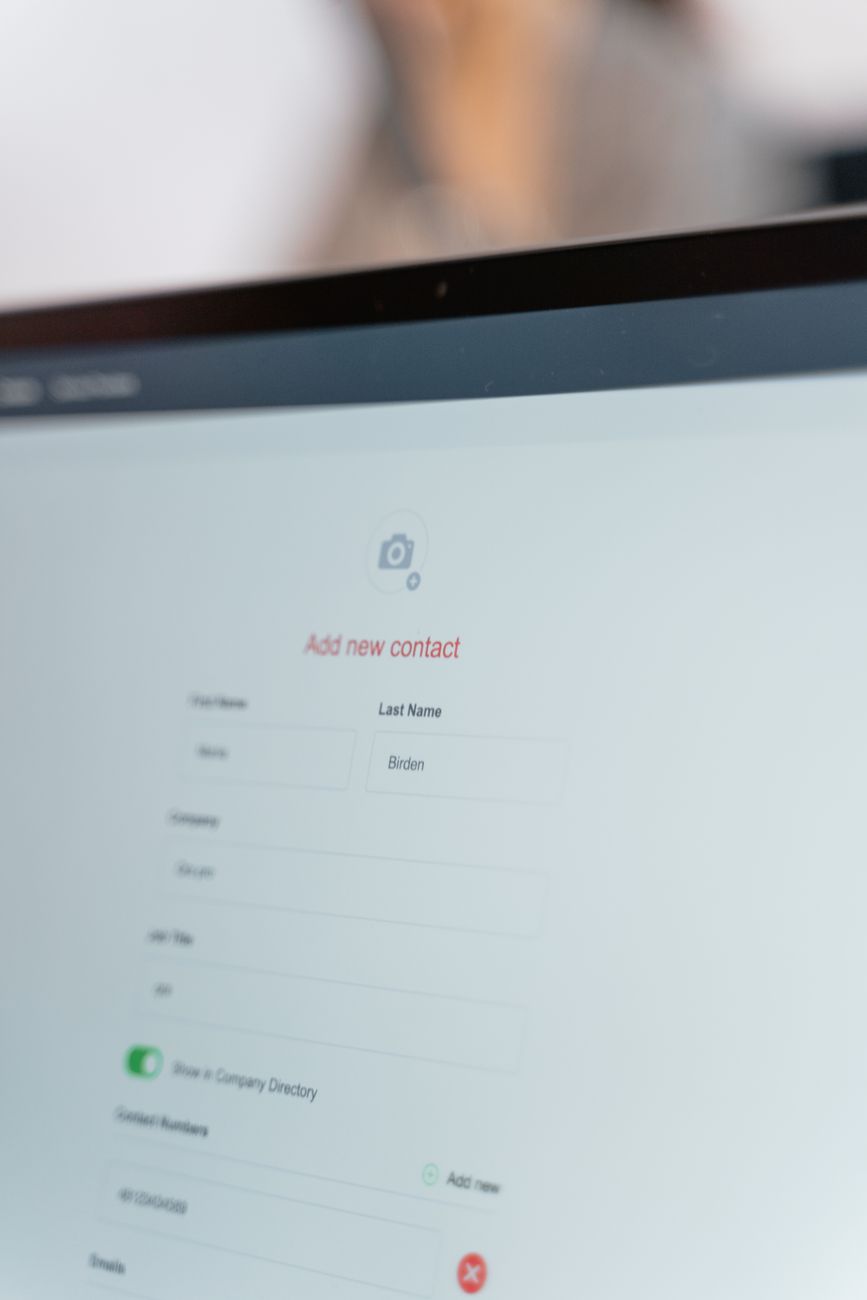
Optimizing Modern Web Applications: From Homepage Discovery to Core Usage Workflows
Read
Modern Software Integration: Architectural Patterns and Best Practices
Read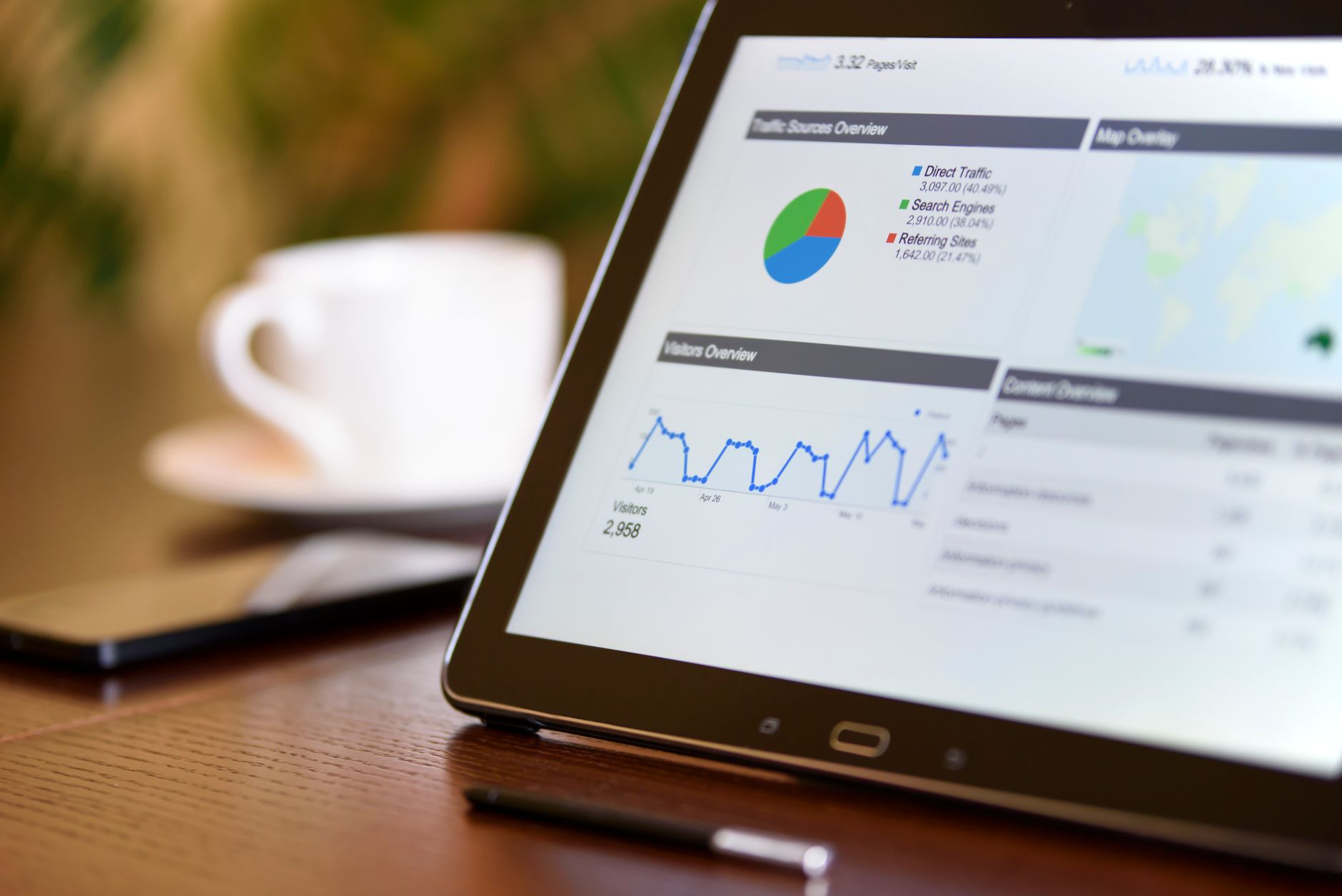
Optimizing Modern Web Applications: Balancing Homepage Experience with Deep Functional Workflows
ReadPut ideas to work.
If this sparked something, the next step is a short conversation.