Architecting Multi-Journey Digital Experiences: From Homepage to Targeted Use Cases
A comprehensive guide on structuring digital platforms and web architecture to guide diverse audiences from the main homepage to specialized usage pathways. The Challenge of Multi-Intent Digital Architecture Modern digital platforms rarely cater to a single audience segment. Whether an organization serves enterprise decision-makers alongside individual developers, or consumer shoppers seeking vastly different solutions, the …
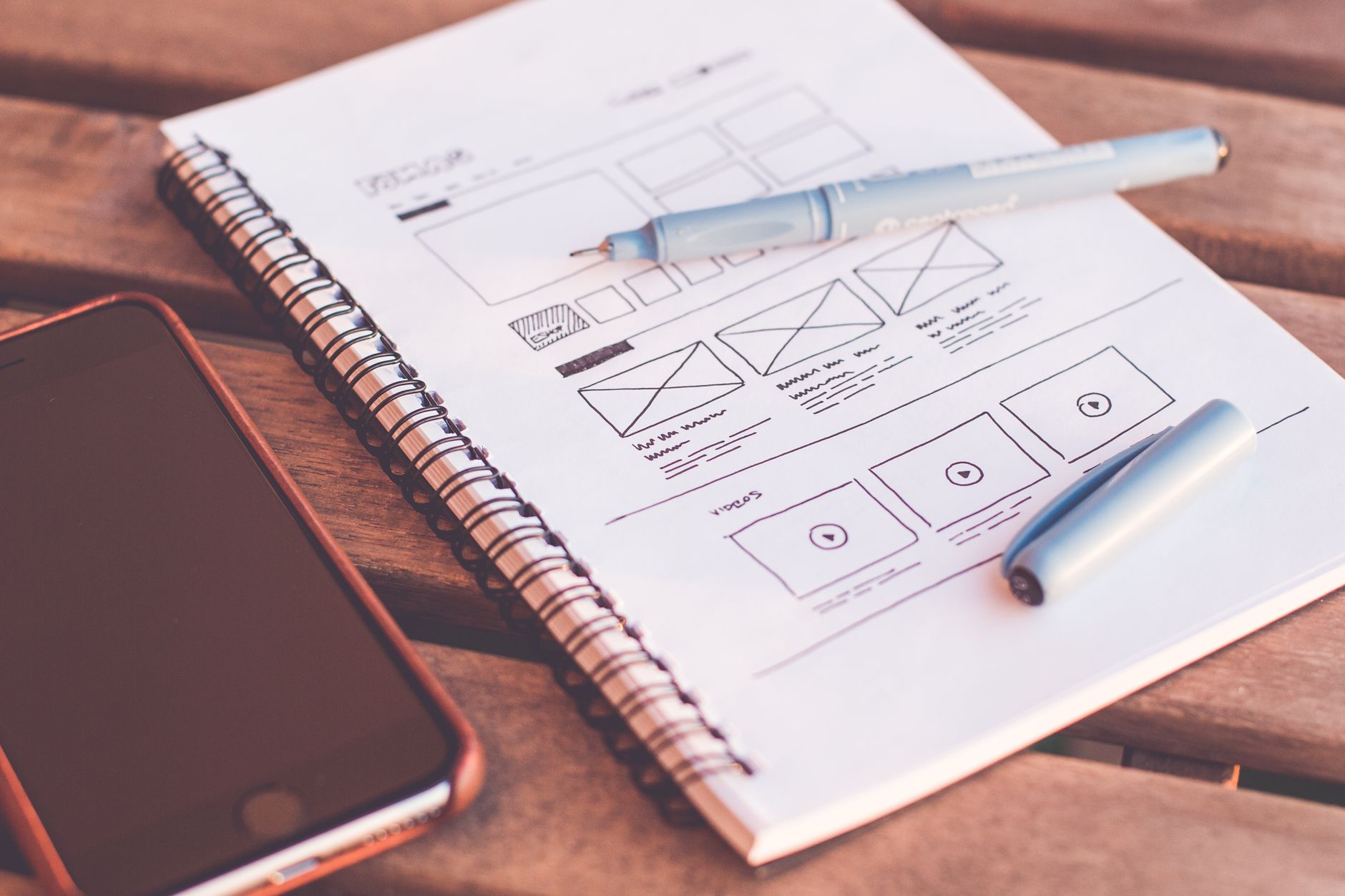
A comprehensive guide on structuring digital platforms and web architecture to guide diverse audiences from the main homepage to specialized usage pathways.
The Challenge of Multi-Intent Digital Architecture
Modern digital platforms rarely cater to a single audience segment. Whether an organization serves enterprise decision-makers alongside individual developers, or consumer shoppers seeking vastly different solutions, the primary touchpoint must accommodate diverse needs without causing cognitive fatigue.,A central homepage functions as the critical junction in this ecosystem. Instead of overwhelming visitors with exhaustive technical breakdowns, effective system architecture directs users toward defined usage pathways, ensuring each persona finds immediate relevance.
Primary Entry: Defining the Role of the Modern Homepage
The homepage is not the destination; it is an intelligent dispatch system. Its primary objective is contextual orientation—quickly articulating what the platform solves while offering clear, low-friction pathways to deeper product experiences.,When architecting the homepage, visual hierarchy should emphasize broad value propositions followed by distinct routing mechanisms. Clear navigational signposts allow users to self-segment within seconds of landing on the site.
Targeted Pathway 1: Direct-to-Solution Workflows
The first core usage pattern addresses users seeking rapid execution. These individuals typically possess a well-defined goal, requiring streamlined onboarding, prescriptive workflows, and minimal distraction.,Designing for this cohort involves removing tangential choices and prioritizing task-focused interfaces. By guiding users through actionable steps, platforms accelerate the time-to-value metric, establishing trust through immediate operational success.
Targeted Pathway 2: Exploratory and Advanced Implementations
The second distinct usage scenario accommodates power users, enterprise evaluators, or specialized teams requiring deep technical depth and custom configuration options.,Unlike standard task-driven users, this audience values detailed architectural overviews, robust documentation, and modular capability breakdowns. Structuring this pathway requires comprehensive resources, case studies, and sandbox environments that allow thorough evaluation.
Bridging Pathways with Cohesive Information Architecture
While distinct usage scenarios require bespoke landing environments, the transition between them must feel intuitive. Shared design systems, unified taxonomy, and persistent contextual navigation prevent fragmentation across varied application branches.,Implementing intelligent cross-links and predictive routing allows users to pivot between introductory tasks and advanced capabilities without returning to the homepage to restart their exploration.
Conclusion
Effectively connecting a central homepage to specialized usage scenarios is foundational to user retention and product adoption.,By treating the homepage as a high-clarity distribution hub and building dedicated pathways for diverse operational needs, teams can deliver seamless digital experiences that scale alongside their user base.
Image Credit:
picjumbo.com
Optimizing Modern Web Applications: From Homepage Discovery to Core Usage Workflows
Read
Modern Software Integration: Architectural Patterns and Best Practices
Read
Optimizing Modern Web Applications: Balancing Homepage Experience with Deep Functional Workflows
ReadPut ideas to work.
If this sparked something, the next step is a short conversation.