Architecting Intuitive Digital Experiences: From First Touch to Core Application Workflows
A comprehensive guide to designing frictionless digital experiences that transition users smoothly from homepage discovery into primary and secondary operational workflows. The Strategic Nexus: Aligning First Impressions with Deep Utility In modern digital product design, a persistent gap frequently divides entry-level exploration from deep, task-oriented execution. Visitors arrive through a central entry point—the homepage—expecting clarity, …
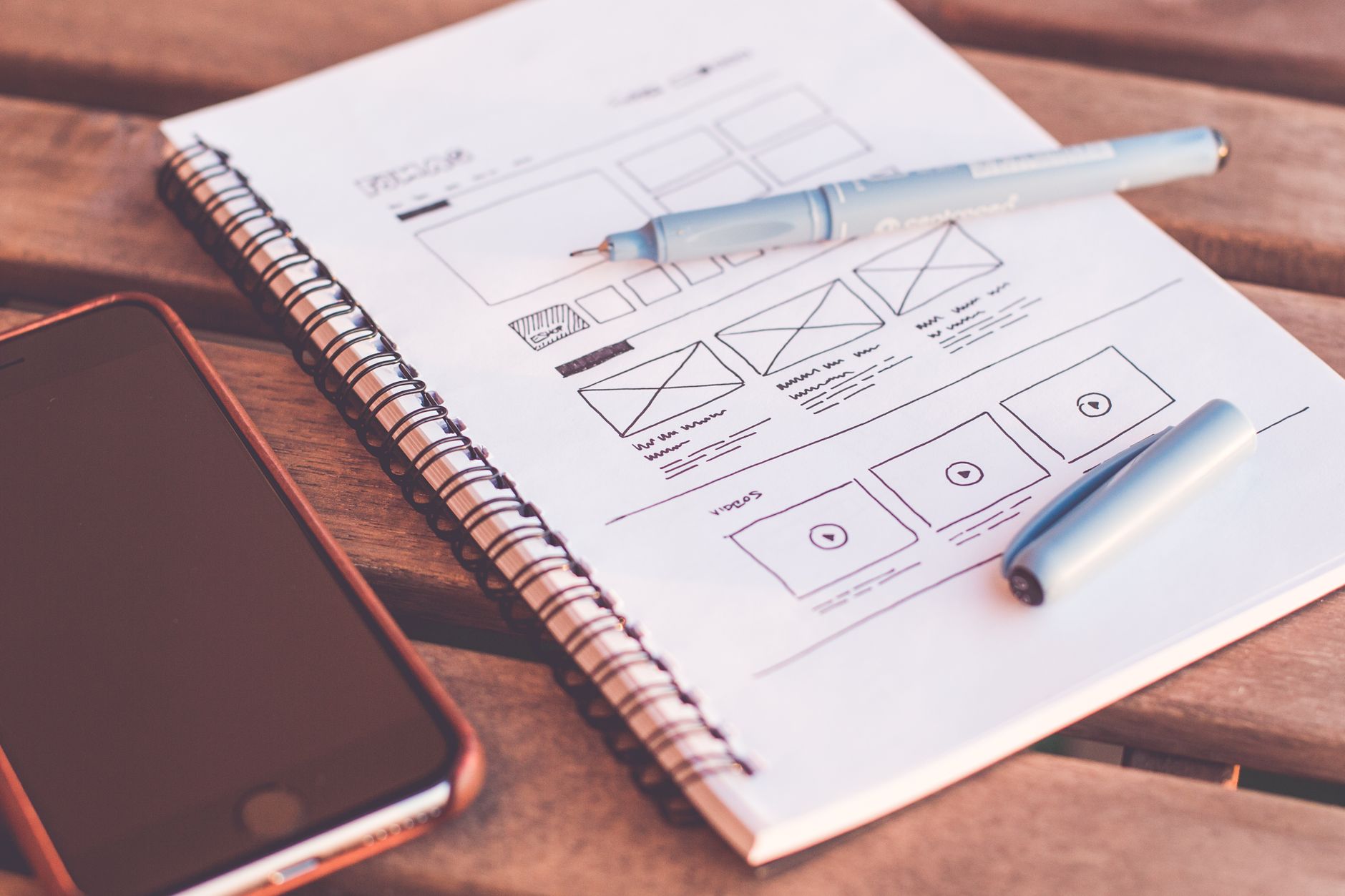
A comprehensive guide to designing frictionless digital experiences that transition users smoothly from homepage discovery into primary and secondary operational workflows.
The Strategic Nexus: Aligning First Impressions with Deep Utility
In modern digital product design, a persistent gap frequently divides entry-level exploration from deep, task-oriented execution. Visitors arrive through a central entry point—the homepage—expecting clarity, while existing users rely on focused environments engineered for high-frequency productivity.,Bridging this divide requires viewing the product ecosystem as a continuous progression rather than isolated modules. When digital teams unify navigational touchpoints with operational workflows, users transition seamlessly from evaluating value propositions to mastering specialized features.
Deconstructing the Entry Point: Purpose-Driven Homepage Design
The primary landing screen or product homepage serves dual purposes: it orients first-time visitors while providing efficient access routes for returning operators. High-performing entry surfaces avoid cognitive overload by prioritizing contextual wayfinding and clear visual hierarchies.,Rather than displaying every available feature simultaneously, an effective homepage distills the product’s core capabilities into readily digestible narratives. By establishing explicit pathways toward specific operational modes, the interface empowers users to self-select their intended tasks immediately upon arrival.
Scenario One: Accelerating Routine and High-Frequency Operations
The first foundational usage tier centers on routine, high-volume activities. In most productivity platforms, this mode represents the primary daily workflow—such as generating reports, managing live pipelines, or performing iterative data updates.,Optimizing for this scenario demands ruthless elimination of friction. Designers should minimize requisite click counts, support universal keyboard shortcuts, and preserve contextual state across sessions. When core tasks require minimal cognitive overhead, user retention and day-to-day satisfaction increase markedly.
Scenario Two: Facilitating Deep Configuration and Advanced Tasks
Secondary usage paradigms typically cater to specialized functions, such as complex administrative configuration, granular customization, or system integrations. While accessed less frequently, these workflows carry substantial operational weight and demand high precision.,Designing for complex scenarios requires progressive disclosure: exposing basic parameters by default while nesting advanced toggles within structured sub-panels. By employing clear validation indicators and non-destructive experimentation modes, platforms provide advanced operators with absolute confidence during critical procedures.
Creating Unified Continuity Across Divergent User Journeys
A common failure pattern in product architecture is functional fragmentation, where transitioning between basic and advanced workspaces feels like navigating entirely different software suites. Maintaining architectural cohesion is essential to prevent user disorientation.,Teams can safeguard continuity by enforcing unified design tokens, standardized navigation paradigms, and coherent contextual feedback. Whether an operator is navigating the introductory landing area or orchestrating intricate multi-stage automations, recognizable interaction patterns significantly flatten the learning curve.
Conclusion
Balancing intuitive discovery with powerful execution forms the bedrock of sustainable software adoption.,By deliberately structuring the journey from initial arrival through core and advanced operational scenarios, product teams build platforms that are immediately approachable without sacrificing depth.
Image Credit:
picjumbo.com
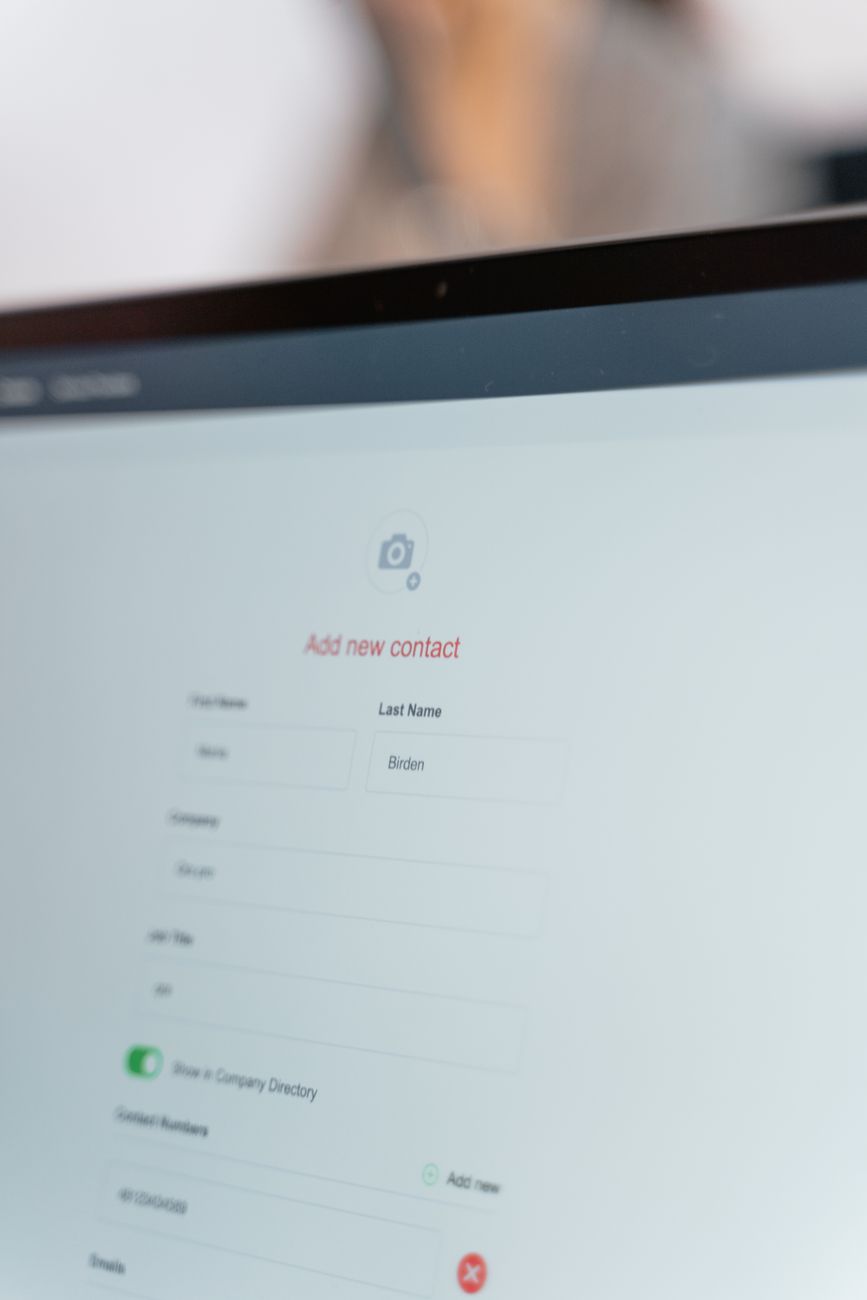
Optimizing Modern Web Applications: From Homepage Discovery to Core Usage Workflows
Read
Modern Software Integration: Architectural Patterns and Best Practices
Read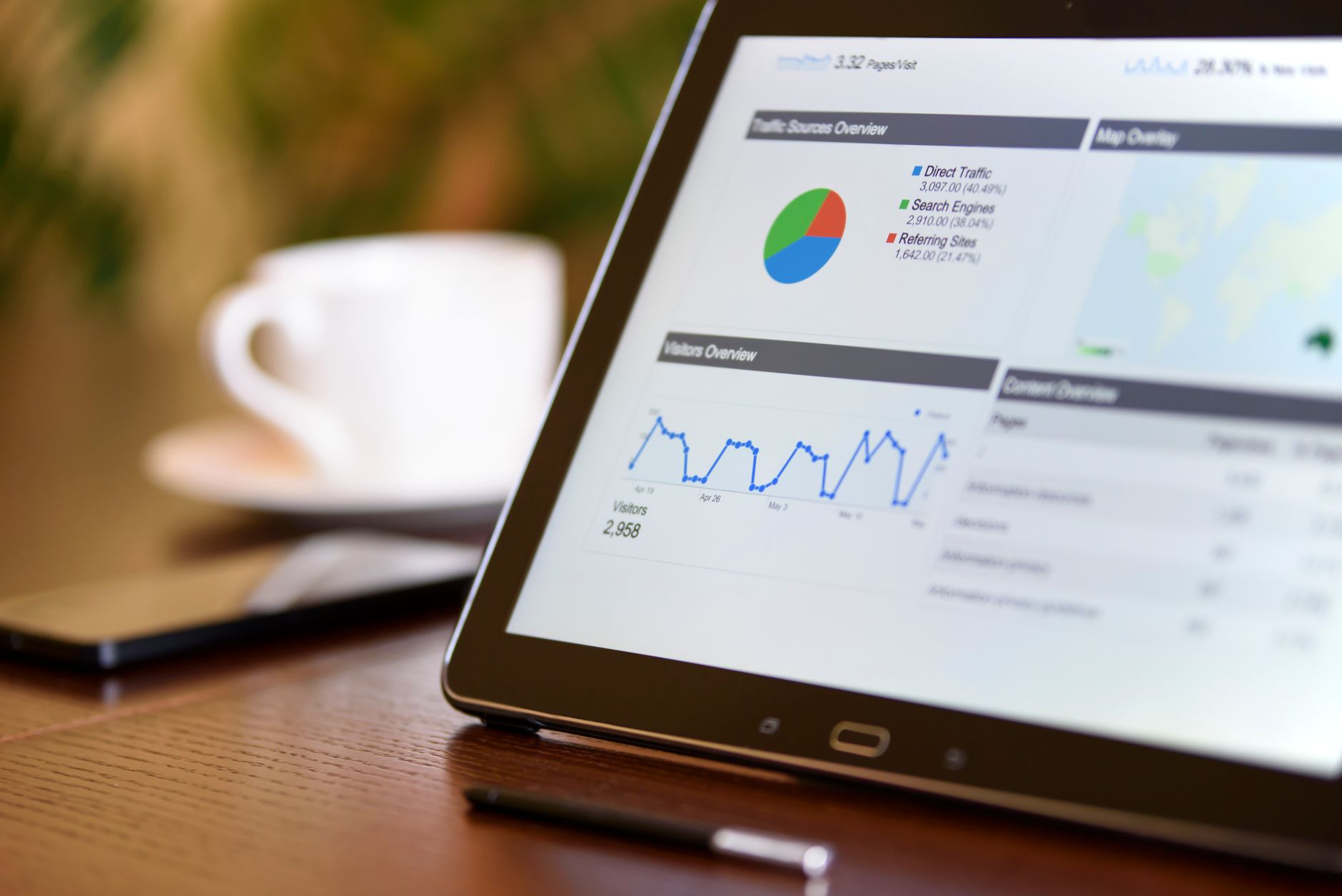
Optimizing Modern Web Applications: Balancing Homepage Experience with Deep Functional Workflows
ReadPut ideas to work.
If this sparked something, the next step is a short conversation.